Backyard Habitat | September 19, 2026
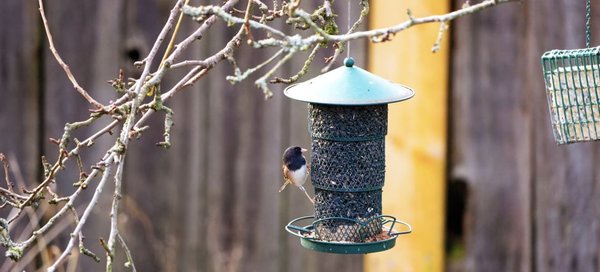
Ask most backyard birders what they put out for their visitors and the answer is almost always the same: feeders. Seed, suet, maybe a little jelly for the orioles in spring. Water, if it comes up at all, is an afterthought — a saucer that gets hosed out once a month and forgotten in between. That is a shame, because water may be the single most powerful attractant you can add to a yard, especially in summer and during migration.
Birds need water for drinking, obviously, but they also need it for bathing. Feather maintenance is not vanity; it is survival. Clean, well-groomed feathers insulate, shed rain, and support flight. A bird that cannot bathe regularly has a harder time keeping its plumage in working order, and in hot weather, a reliable water source can mean the difference between a comfortable afternoon and a dangerous one.
The good news is that you do not need an elaborate setup. A shallow dish, refreshed often, will do more than a fancy fountain that sits stagnant. What matters is depth, texture, cleanliness, and placement — four things you can control with almost no budget at all.
Depth, Texture, and a Place to Stand
The most common mistake with backyard water is making it too deep. Most songbirds want to wade in, not swim. A bath that is two or three inches deep at the center with gently sloping sides gives them a chance to stand, splash, and drink without soaking themselves to the point of being unable to fly. If your bath is deeper than that, place a few flat stones in the middle. The stones create shallows, and the birds will use them as stepping platforms.
Texture matters too. Smooth ceramic or glazed surfaces can be slippery, and birds seem to prefer a little grip under their toes. A rough concrete bath, a stone saucer, or a dish with a sanded bottom all work well. You can also add a small piece of hardware cloth or a few pebbles to give them traction.
Placement is the quiet variable. Birds want to approach water from cover but also want a clear line of sight while they are vulnerable and wet. Put the bath within ten or fifteen feet of a shrub or small tree, but not directly underneath a dense branch where a cat could wait in ambush. A spot that gets a little afternoon shade will keep the water cooler and slow the growth of algae.
The Unsexy Habit That Makes All the Difference
Here is the part nobody puts on a garden-center label: you have to clean it. Often. Standing water grows algae, and dirty water spreads disease among the very birds you are trying to help. During warm weather, dump and refill the bath daily if you can, and give it a scrub with a stiff brush every few days. Skip the soap; a little white vinegar and hot water will handle most buildup, and a diluted bleach solution followed by a thorough rinse can be used for a deeper clean every couple of weeks.
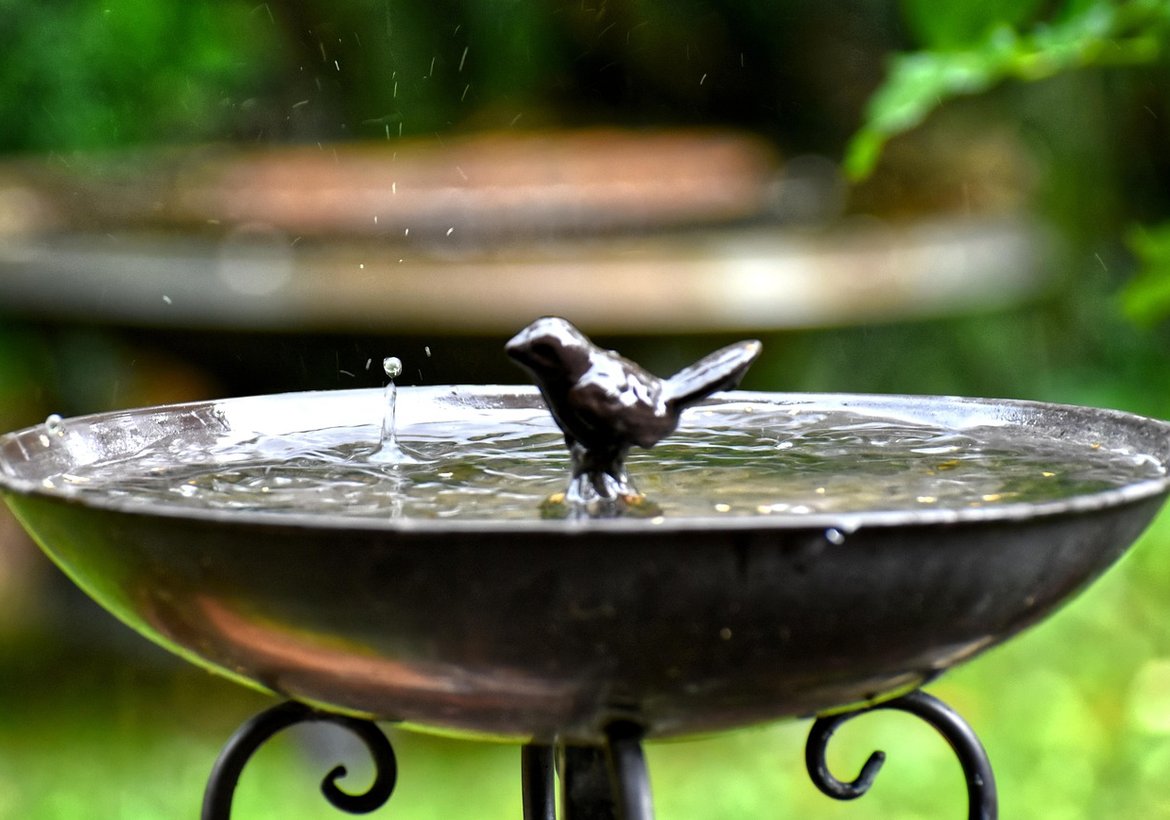
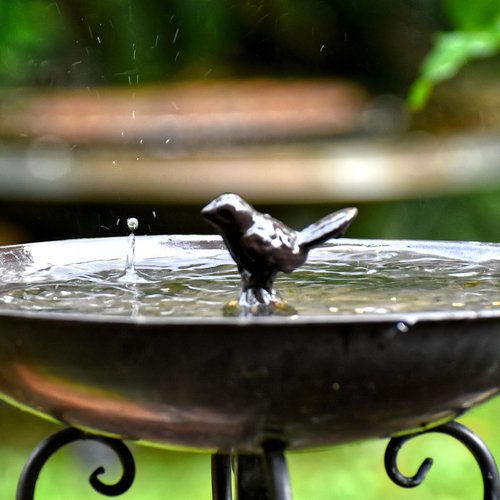
If mosquitoes are a concern, empty the bath in the evening and refill it in the morning, or add a small solar bubbler. Moving water also attracts birds — the sound of a drip or splash carries a long way, and many species that ignore a still dish will come in to investigate a trickle. A cheap dripper or a recirculating pump designed for small fountains can turn an ordinary saucer into the busiest spot in the yard.
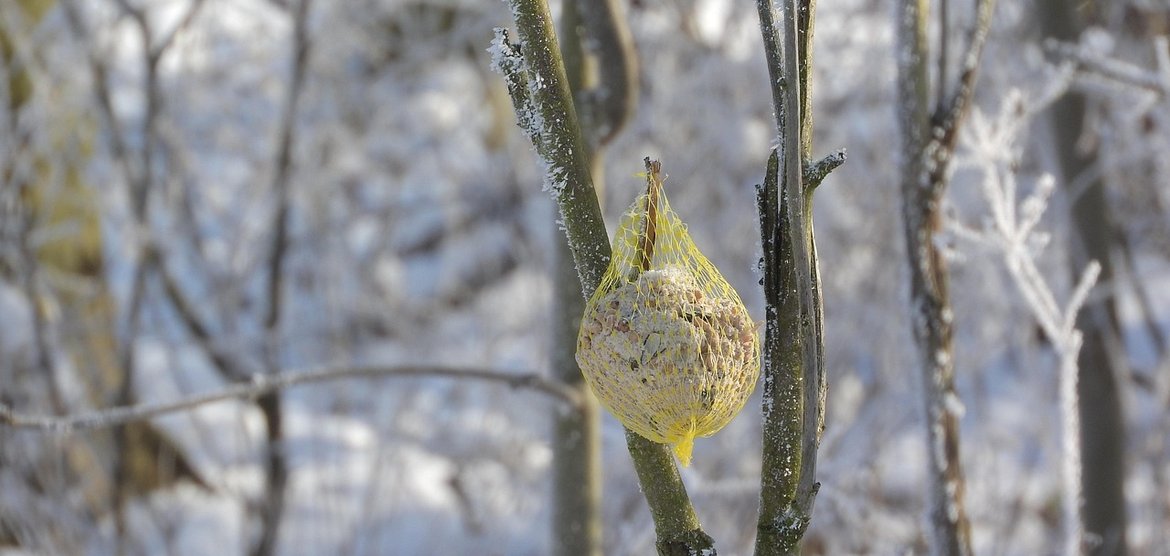
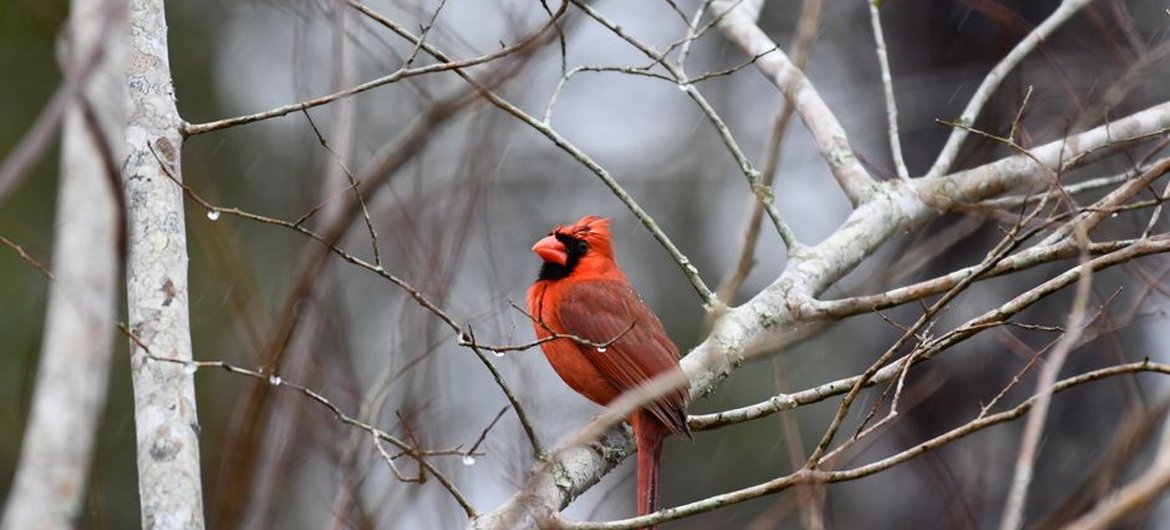
One more thing: do not forget winter. When natural water freezes, a heated bath or a simple dark rubber dish placed in the sun can be a lifeline. Birds need to drink in January as much as they do in July, and a reliable open water source during a cold snap will bring in species that never touch your feeders.
Start simple. A shallow dish, fresh water, a nearby bush, and a daily rinse. That is the whole recipe, and it works.
























Learn why the hour before sunrise is the best time to hear birds singing and how to make the most of it in your own backyard.
Alice Rose
Sep 13, 2026 at 3:12 pm