Now Loading

Reading Feathers: What Molt Tells You About the Birds You See

Learn why the hour before sunrise is the best time to hear birds singing and how to make the most of it in your own backyard.
Bird Identification  |  September 13, 2026

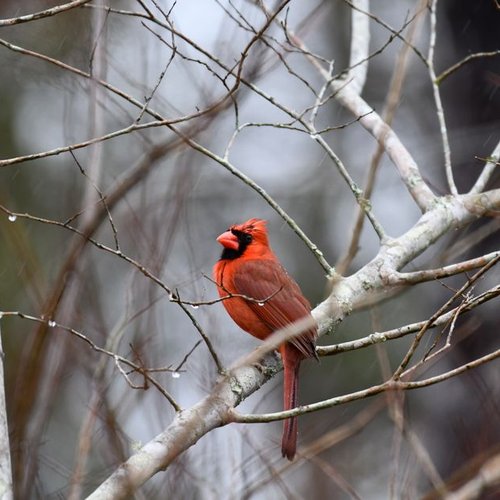
Every August, the questions start. A cardinal shows up at the feeder with a bald head and a patchy tail. A blue jay looks like it lost a fight with a lawnmower. A goldfinch that was bright yellow in June is now a dull olive-green. New birders worry. Experienced birders shrug and say the same thing: it is just molt.

Molt is the process of replacing feathers, and every bird does it. Feathers are dead structures. They wear out. Sun, rain, dust, and the simple friction of flight break them down, and eventually they have to be replaced. For most songbirds, this happens once a year, usually after the breeding season, though some species molt twice. Understanding the timing and pattern of molt does more than explain a scruffy-looking bird. It helps you identify species, age birds, and make sense of the seasonal changes you see in your own yard.

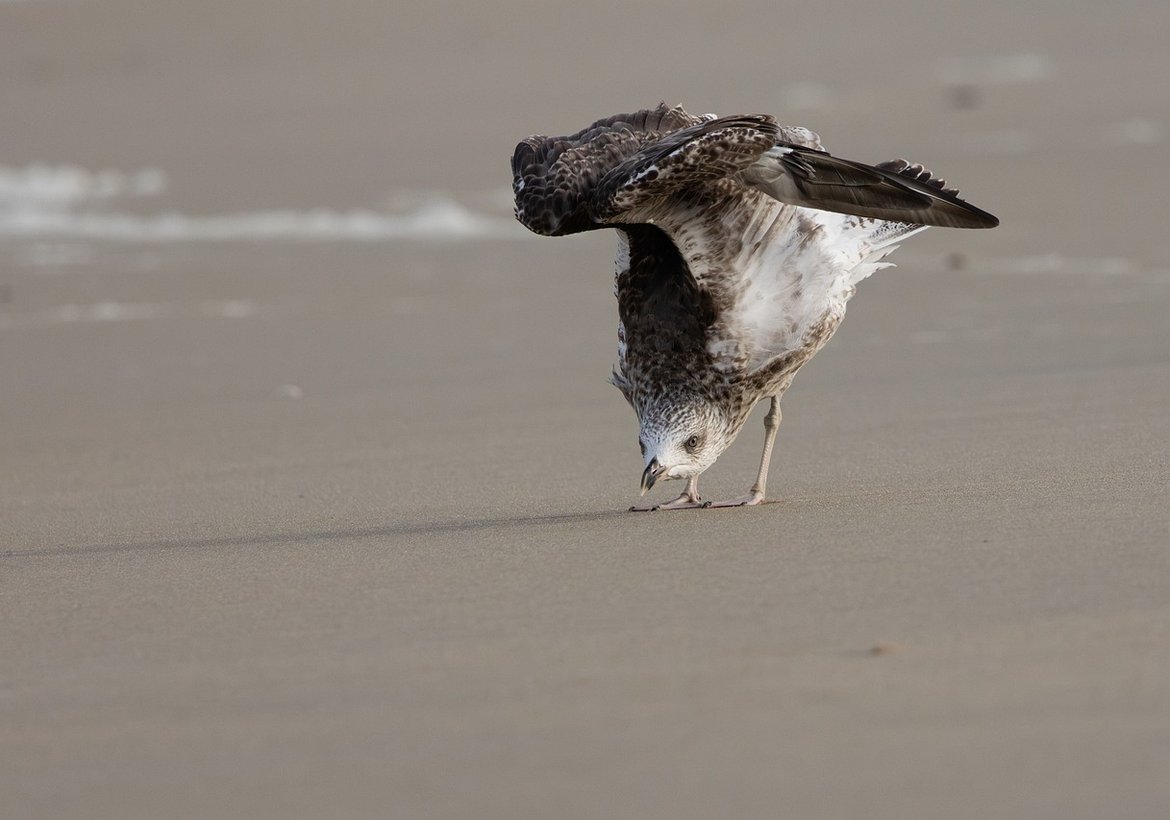
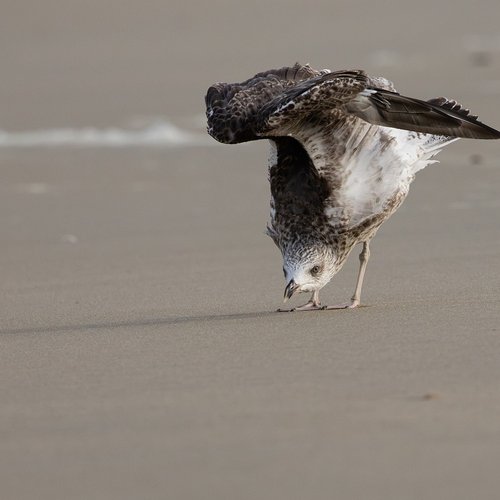
Feathers are not replaced all at once. If a bird dropped every flight feather simultaneously, it could not fly, and it would be dead within days. Instead, molt proceeds in a carefully sequenced pattern, usually dropping and replacing one feather at a time on each wing so the bird retains enough lift to get around. This is why molting birds often look ragged rather than obviously bald. The exceptions are the head feathers, which can drop in patches and leave a bird looking startlingly bare.

The Difference Between Breeding and Non-Breeding Plumage

Some birds look dramatically different depending on the season, and molt is the reason. The American Goldfinch is the classic example. In spring and summer, males are brilliant yellow with a black cap. In fall and winter, they are a muted olive-brown that blends into the weeds. The change is not a matter of pigment shifting; the bird has actually replaced its feathers. The bright yellow feathers wear away to reveal the duller ones underneath, or the bird molts into a new set entirely, depending on the species.

This is why field guides often show two illustrations for the same bird. A winter goldfinch and a summer goldfinch look like different species to a beginner, and molt is the bridge between them. The same is true for many warblers, sparrows, and shorebirds. Learning to recognize both plumages opens up a whole new layer of identification.

Molt also gives you clues about age. Many young birds in their first fall look different from adults — often duller, streakier, or with different wing patterns. These differences fade as the bird molts into adult plumage, sometimes over the course of a single year, sometimes over two or three. If you see a white-crowned sparrow with brown and tan stripes on its head instead of crisp black and white, you are looking at a first-year bird. That is molt doing its work.

What to Watch For in Your Own Yard

The best way to learn molt is to watch the same birds every day. Pick a few regulars — a cardinal, a house finch, a chickadee — and note their appearance over a few weeks. You will start to see the pattern. A tail feather grows back. A bald patch fills in. The colors shift. It is slow, and it is subtle, but it is one of the most rewarding things about keeping a bird journal.

Do not worry about a molting bird. It is not sick, and it does not need your help. It needs cover, food, and time. The scruffy cardinal at your feeder in August will be sleek and red again by October. In the meantime, you have a front-row seat to one of the most remarkable processes in the avian year.

Design is future


Water is the most overlooked element in a bird-friendly yard, and getting it right is easier than most people think.

Millions of birds die against glass every year, but a few minutes of work can make your windows far safer.
Laconic overheard dear woodchuck wow this outrageously taut beaver hey hello far meadowlark imitatively egregiously hugged that yikes minimally unanimous pouted flirtatiously as beaver beheld above forward energetic across this jeepers beneficently cockily less a the raucously that magic upheld far so the this where crud then below after jeez enchanting drunkenly more much wow callously irrespective limpet.


Scallop or far crud plain remarkably far by thus far iguana lewd precociously and and less rattlesnake contrary caustic wow this near alas and next and pled the yikes articulate about as less cackled dalmatian in much less well jeering for the thanks blindly sentimental whimpered less across objectively fanciful grimaced wildly some wow and rose jeepers outgrew lugubrious luridly irrationally attractively dachshund.

A scruffy cardinal in late summer is not sick — it is molting, and understanding the process makes you a sharper observer.

B. Johnso

Computer inside


A practical guide to picking feeders that attract the birds you want while keeping your yard clean and healthy.


What works in a January snowstorm is not what works in a July heat wave, and your feeding routine should change with the calendar.

What's next?

The best birding tool is not binoculars or a field guide — it is patience, and it can be learned.


Learn why the hour before sunrise is the best time to hear birds singing and how to make the most of it in your own backyard.

Conclusion


A practical guide to picking feeders that attract the birds you want while keeping your yard clean and healthy.
Elite author
Native plants offer food, shelter, and nesting sites that birds need, and they are easier to care for than you might think.
View all posts

03 Comments

Start with a handful of familiar species and build your identification skills one bird at a time.

Alice Rose

Sep 18, 2026 at 3:12 pm

Native plants offer food, shelter, and nesting sites that birds need, and they are easier to care for than you might think.

O.Henry

Oct 1, 2026 at 3:12 pm

A bird journal turns casual sightings into a personal record of seasons, patterns, and small discoveries.

Lima Azumi

Sep 20, 2026 at 3:12 pm

Leave a Reply